

 cognishift.org
 COGNISHIFT INSIDER SPOTLIGHT – The Mastery of Raghunath Manet , behold at the Paris Opera April 26
I’ve often spoken to you about CogniShift not as a mere memory trick, but as a total integration of the self—the alignment of specialized knowledge with a deeper, philosophical rhythm. Recently, I found myself reflecting on this while looking at the latest work of Raghunath Manet, who has always inspired me by his greatness, specifically his transformative performances at the Paris Opera. His much awaited performance at the Opera is scheduled in April.
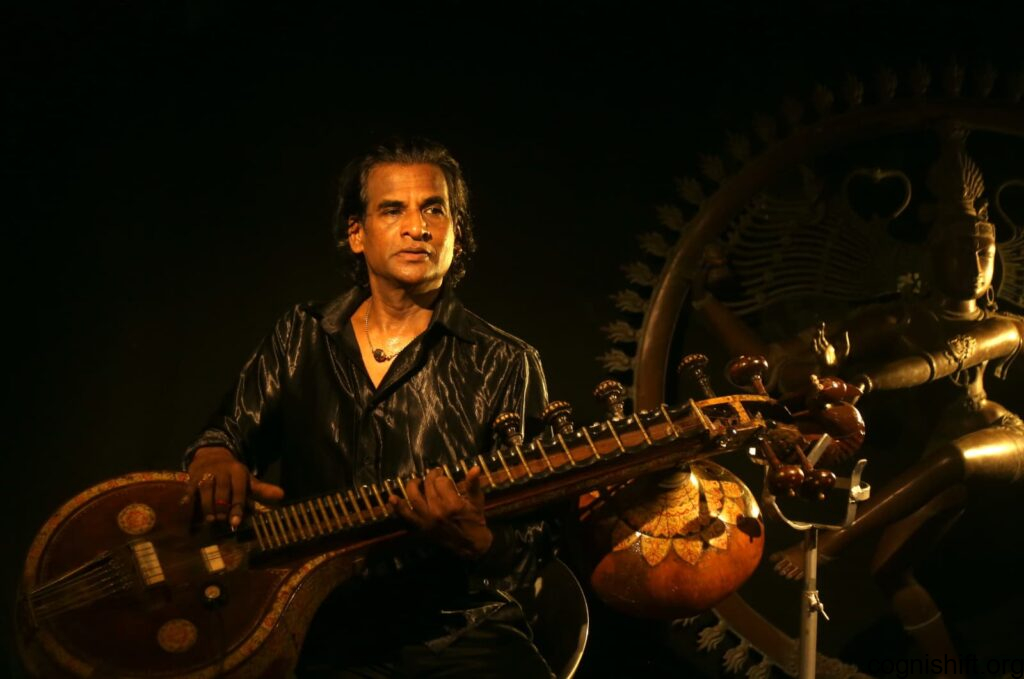
Raghunath Manet Veena at the Opera April 2026- Cognishift Insider 2026 – OPERA D’ANGERS & OPERA DE NANTES DU 12 AU 28 MAI 2026
There is a striking image from his press materials that I can’t stop thinking about: a side-by-side comparison of a human spine and the neck of a Veena. For an orthopaedic surgeon, the spine is the ultimate structural reality; for an artist like Manet, the Veena is the ultimate sonic one. But in that moment on the grand stage of the Opéra Bastille, they became the same thing.
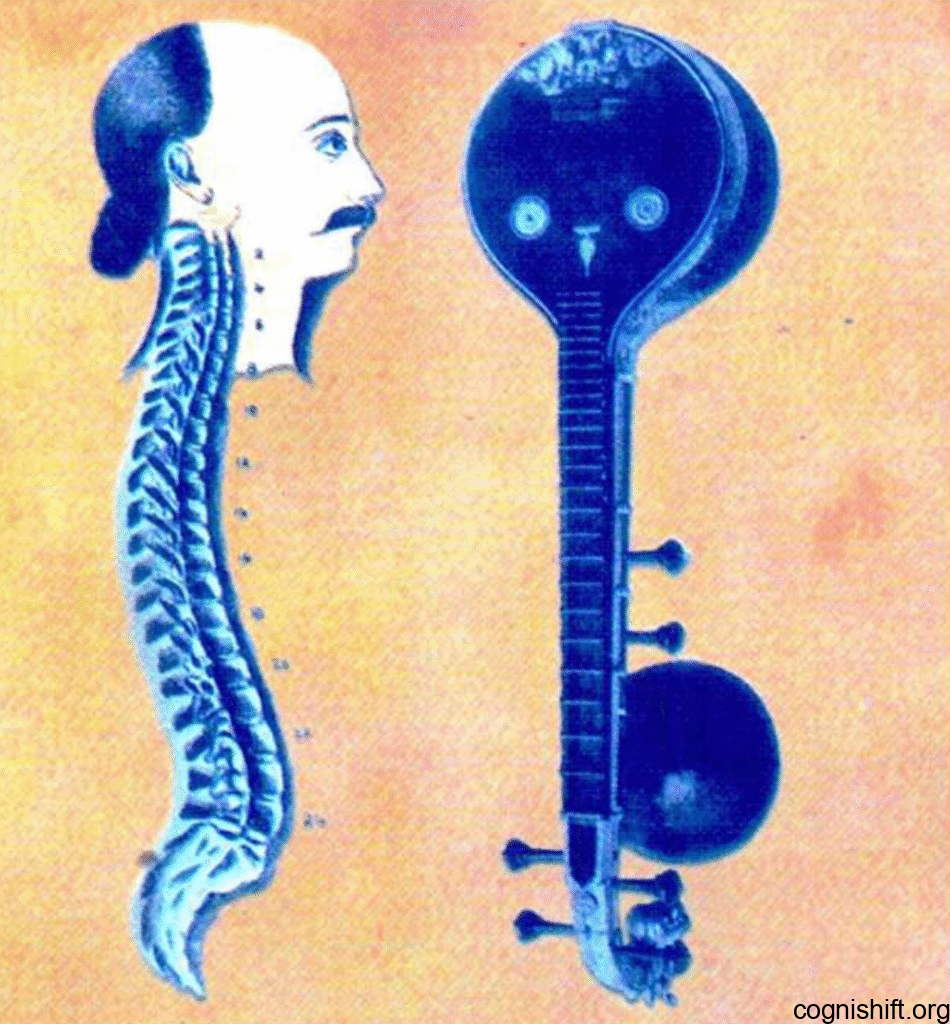
-Veena as the Spine – Raghunath Manet – The VEENA is the oldest and most revered instrument of South India. Carnatic Indian music was built around the veena, the major and most complex instrument of India.
The Architecture of the “Noureév of India” – Raghunath Manet
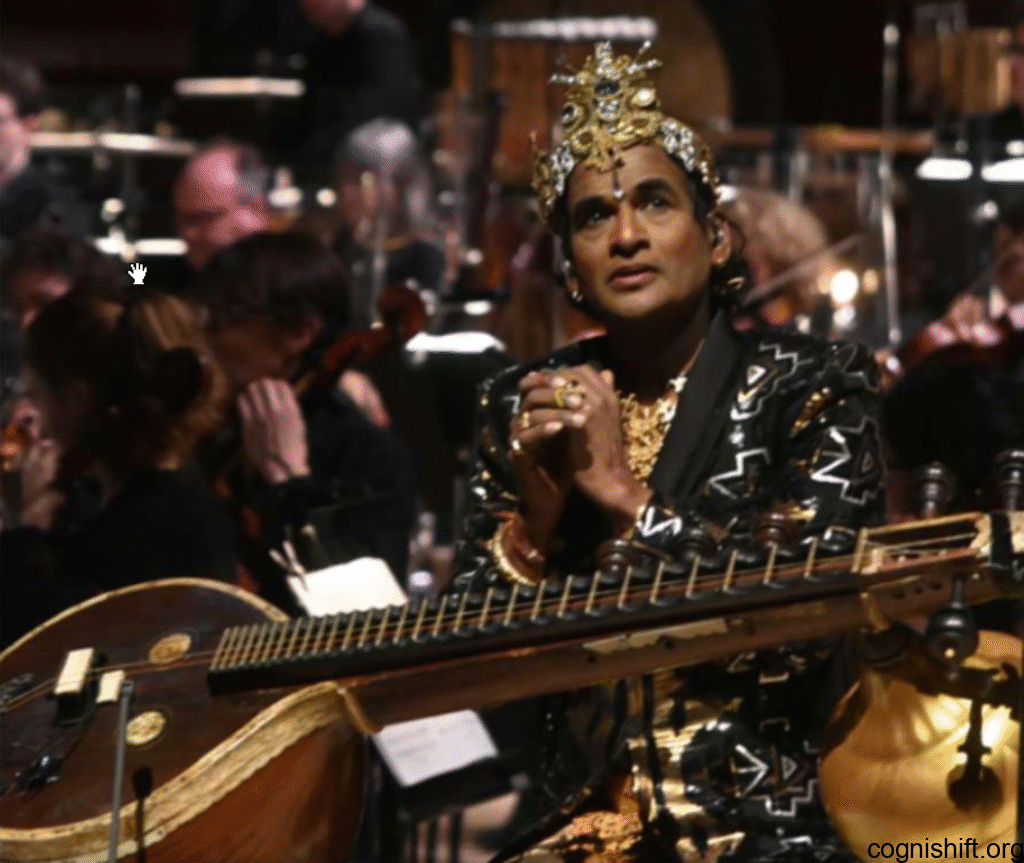
Manet has been called the “Noureév of India,” a title that captures the sheer athleticism and grace he brings to Bharata Natyam. But what interests me as a medical educator and a seeker of cognitive mastery is his synthesis. He is the “L’homme Dieu”—the God-Man—who has rehabilitated the masculine form in a dance traditionally dominated by women in the modern era.
He doesn’t just dance; he recites verse, he sings, and he masters the complex rhythms of the South Indian Veena—the oldest and most revered instrument of our heritage.
- Total Presence: Manet is a “prophet of happiness” who gives meaning to our desire for the “elsewhere”.
- The Bridge: He bridges the ancient with the modern, proving that a tradition only lives if it is constantly reinterpreted.
- Cognitive Flow: He handles the terrifying complexity of Indian rhythm with such joy that it becomes simple and poetic for the audience.
Lessons for the CogniShift Mind
Watching a master like Manet at the Opéra de Paris or the Shakespeare Globe, you realize that mastery is an alchemy. He isn’t just “playing an instrument”; he is transcending genres.
In my own life, whether I am holding a scalpel, writing a poem as Dr. Leander, or building Cognishift, I am looking for that same “symbiosis” that Pascal Dusapin described in Manet’s work—the link between the song, the dance, and the rhythm of the spoken word.
Manet’s journey from the temples of Pondicherry to the highest distinctions like the Pravasi Bharatiya Samman Award is a testament to what happens when you commit to a singular, beautiful language. He reminds us that “offering beauty” is a language in itself.
As we continue to shift our own cognitive boundaries, let’s remember the lesson of the Veena and the Spine: Your structure is your music. If you align your internal rhythm, the world will eventually applaud your sharing of that “universal peace”.
Keep shifting,
Dr. Leander
Cognishift Insider Magazine


