

 cognishift.org
 The Sculptor of Memory — A Conversation with Sculptor Suren Vardanyan
In the studio, silence is sometimes more eloquent than the loudest sound. An artist who works with stone, wood, or metal listens not only to his own thoughts, but also to the breath of the material. In that silence, figures are born that later become memory, history, and sometimes the spiritual portrait of a people.
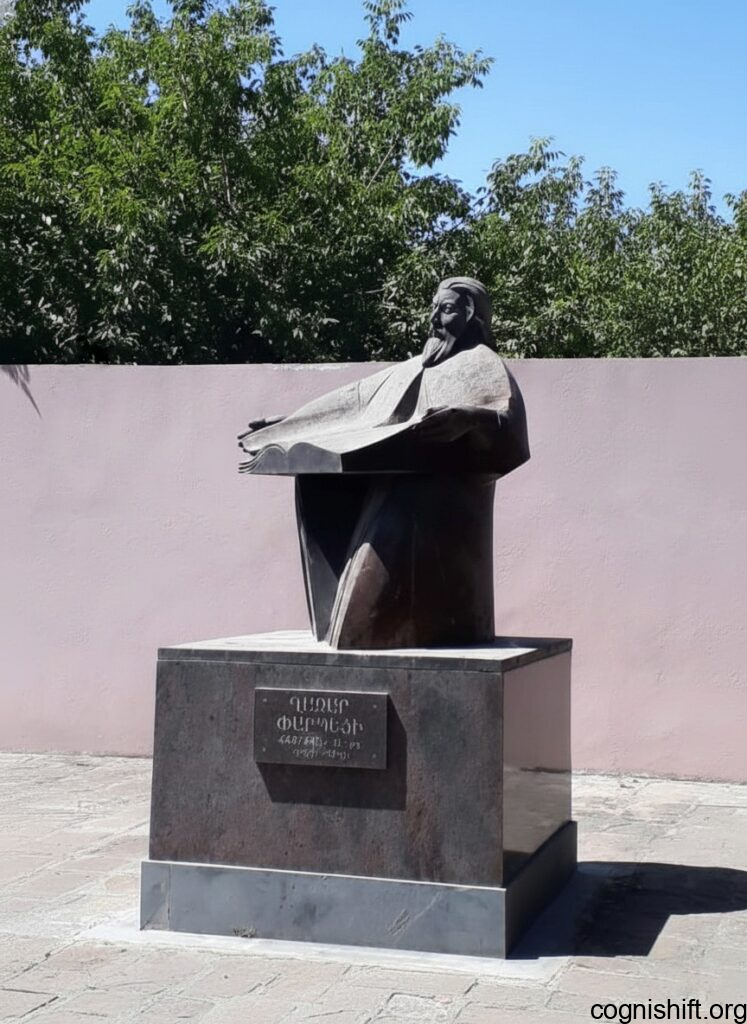
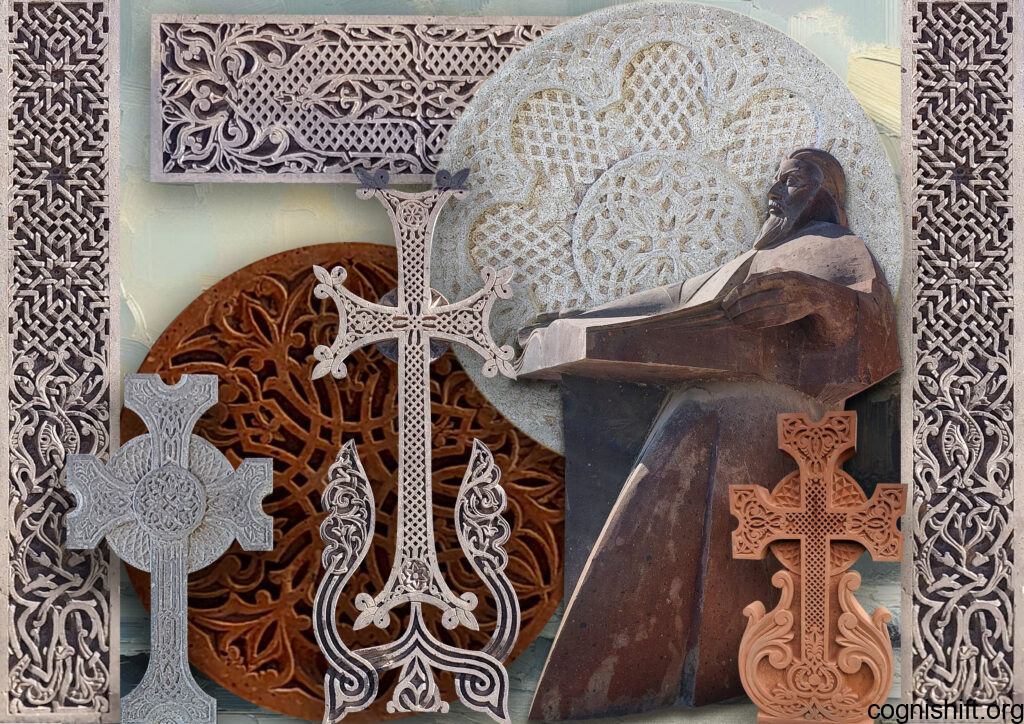
5th-century historian Ghazar Parpetsi
Sculptor: Suren Vardanyan
Painter, Designer: Slavik Verdyan
Architect: Ashot Davayan
For Suren Vardanyan, inspiration for creation comes from the simplest yet deepest sources — nature and music. He says that sometimes the material itself reveals its secret, its future form. Man is accustomed to dictating to matter, but there are moments when the creator simply listens, and it is within that listening that true art is born.
In his works, there is always a return to the spiritual and the cultural. It is not merely a theme, but an inner striving to preserve what time attempts to erode. Cultural memory, the continuity of national identity, as a spiritual foundation — in his art these become not abstract ideas, but living sensations.
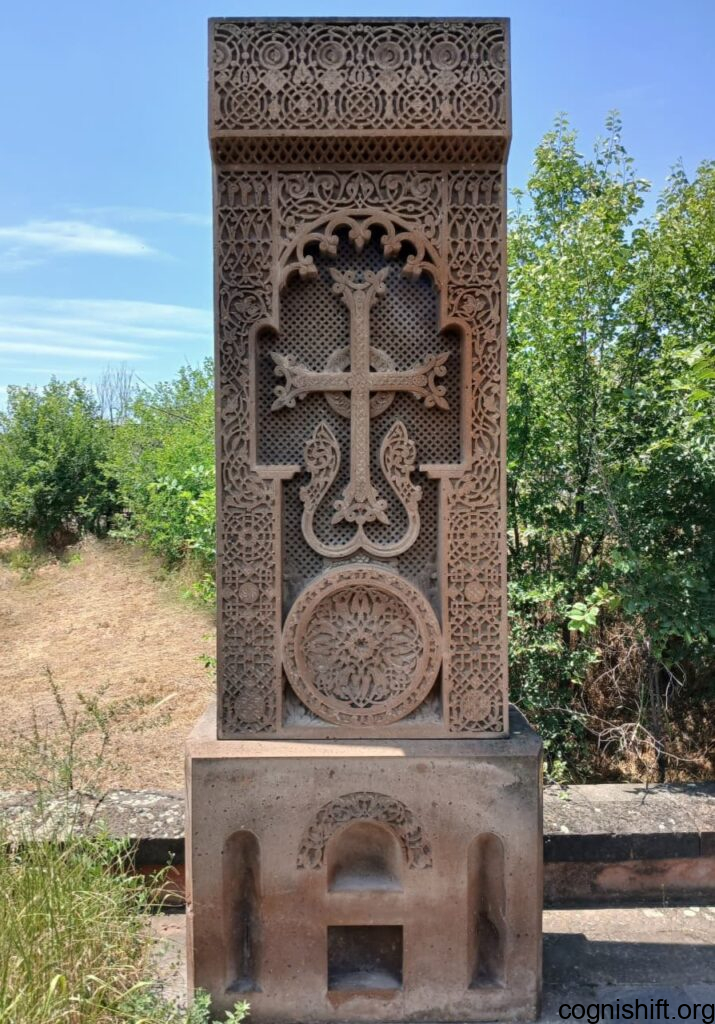
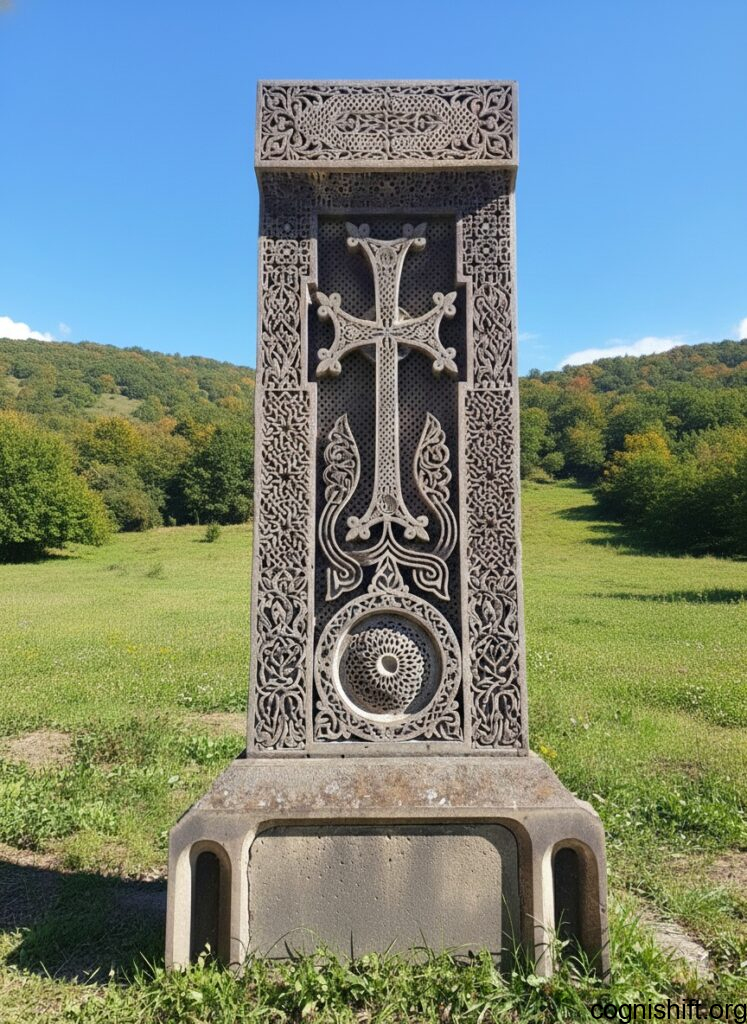
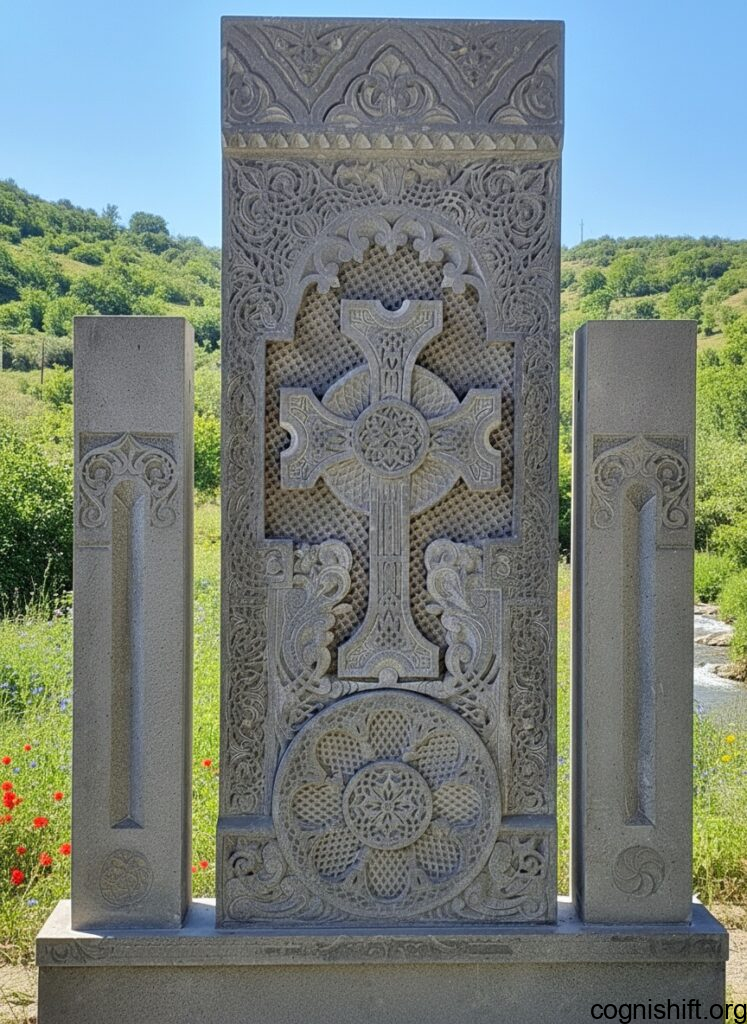
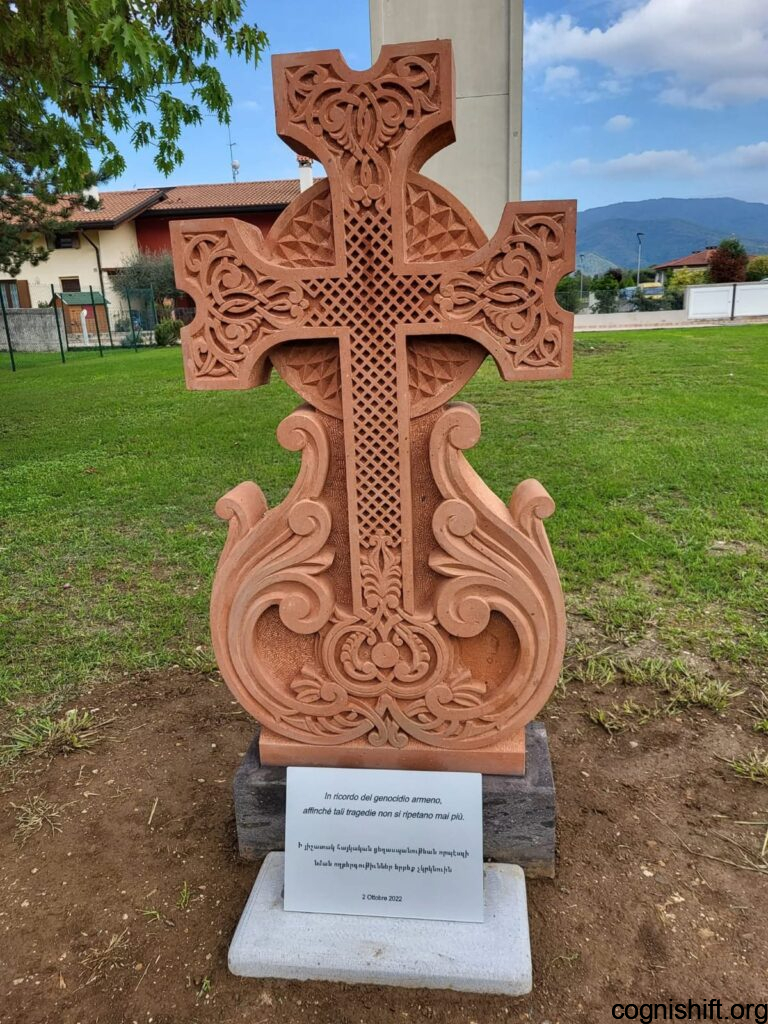
Located in Udine , Italy.
Vardanyan’s artistic language is diverse. He does not confine himself to a single direction; realistic and contemporary forms in his hands become different paths of expression to reach the same depth and the same feeling.
For him, art is first and foremost a means of self-expression. A person places their emotions, experiences, pain, and joy into the work, and at that moment art becomes not just an image or a form, but an echo of human experience.
When speaking about what should be passed on to future generations, his answer is simple yet profound: cultural memory, continuity of national identity, peace, hope, love, and faith in the future. These are values that do not age, because they belong not to time, but to humanity.
To create art, in his conviction, is a rebellion against oblivion. But it is not merely a personal struggle. It is also a struggle against the forgetting of history, especially for peoples whose memory is filled with pain, loss, exile, and wounds. In art, that memory becomes a force that refuses to disappear.
He sees the role of Armenian artists precisely in that force. After the Genocide, art became the language of memory. Colors, forms, and figures continued to live, while pain transformed into creative energy — proving that culture can preserve even what has been physically lost.
Art, in his words, preserves what history sometimes forgets. It builds bridges between peoples, speaks of peace without words, and teaches people to see one another not through differences, but through similarities.
If he had the opportunity to organize an international exhibition, he would choose a profound theme: “A World Without Borders.” Not only the removal of geographical borders, but also spiritual ones — where peoples can understand and listen to one another.
Ultimately, art, in his belief, is at once the memory of the future and the testimony of the present. What becomes lasting is decided by time. Perhaps that is why a true artist does not try to predict what feeling will remain from his works. He simply creates — honestly, with depth and with faith — trusting that time will choose what must endure.
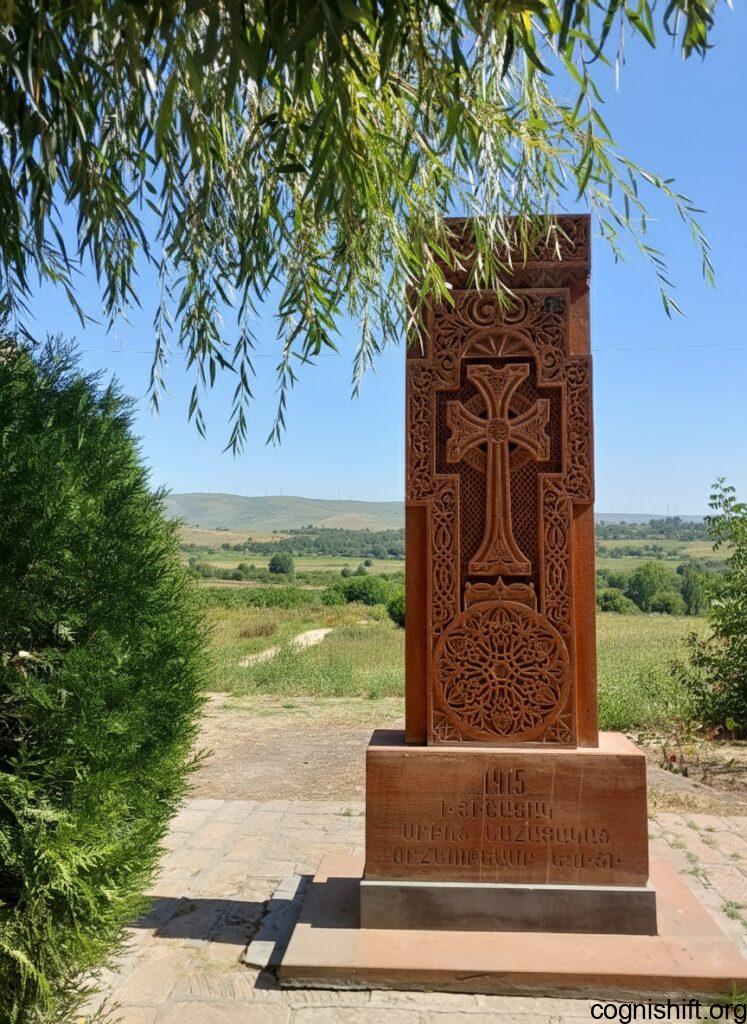
This khachkar is dedicated to the innocent victims of the Armenian Genocide of 1915 — as a silent prayer, as a symbol of pain and resurrection, as a reminder that memory is one of our greatest strengths.
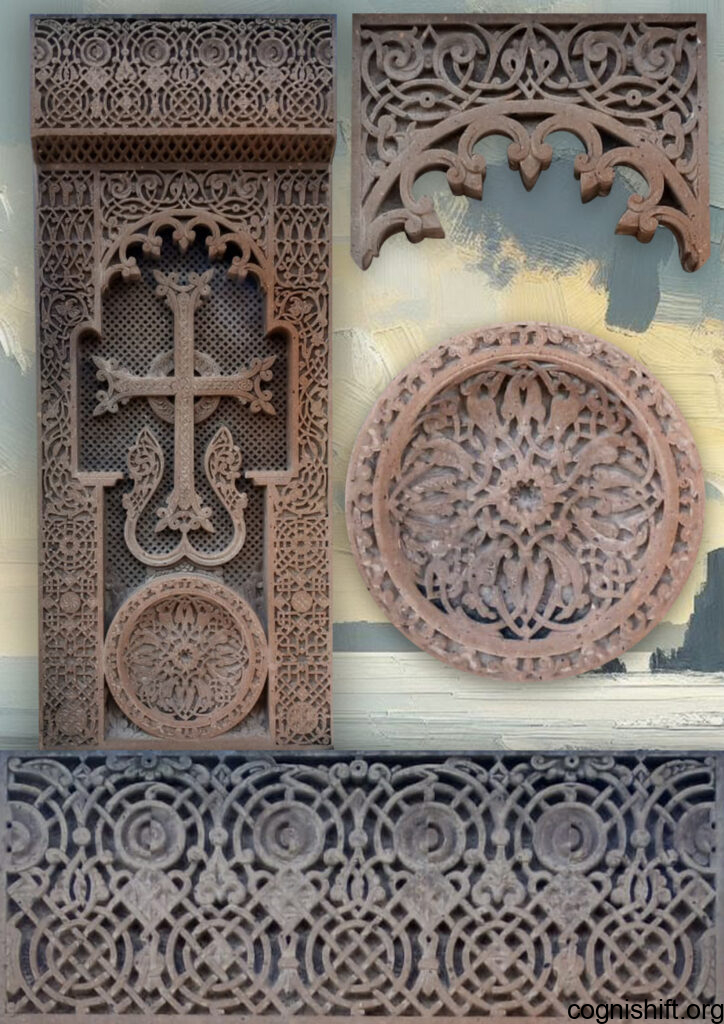
A three-layer embroidered khachkar — born of memory and faith.
Its delicate floral ornaments symbolize the continuity of life; just as branches turn green again and again, so too does a people, passing through pain, continue to live and to create.
Interview by Mari Poghosyan, Cognsihift.org
Editor – Reminiscier Dr.Prashant Madanmmohan


